The Goldfinch

Goldfinch
Goldfinch

In previous centuries this was a popular caged bird, and its not difficult to see why. These finches are normally seen in family groups, but they will also feed with other species.

Juvenile goldfinch feeding with sparrows.
Juvenile goldfinch feeding with sparrows
Juvenile goldfinch
Juvenile goldfinch

The juvenile has the distinctive wing and tail colours, but lacks the red face of the adult.

The Great tit

Great tit
Great tit

The UK population of this strikingly beautiful bird is 2.6 million. It is not quite as gregarious, or acrobatic as other members of the tit family: the elder statesman, slightly more aloof and independent.

Juvenile Great tit
Juvenile Great tit

They are regular visitors to garden feeders, but will be seen anywhere where there broad leaved trees: woodland, parks, farmland. The juvenile (see above) has slightly more muted colours than the adult.

The Reed Bunting

Reed Bunting (male)
Reed Bunting (male)

A striking feature of the reed bunting is its white collar and white moustache, particularly the male in its summer colouring featuring its black head and throat. It is frequently seen singing whilst clinging to a reed stem.

Reed Bunting (female)

The female has a brown head, not black, and the moustache is a cream colour rather than white.

The Long tailed tit

Long tailed tit
Long tailed tit

Cute, pink, fluff-ball, acrobatic: just a few of the adjectives commonly used to describe the Long tailed tit (LTT). The LTT is generally seen in a family group; they are constantly on the move. They are widespread in the British Isles. The latest estimate is that there are 340,000 in the UK, but this fluctuates depending on the severity of the winter months.

Acrobatic LTT
An Acrobat

Garden feeders are an important source of food for these birds, particularly throughout the winter months.

The Mallard

Male Mallard
Mallard (male)

When using the generic term, duck, this is the bird most people will envisage. The Mallard is embedded in British culture, whether it be the triptych on Stan and Hilda Ogden’s living room wall in Coronation Street, or the name given to the famous record breaking steam engine.

Female Mallard and ducklings
Female mallard and ducklings

The Mallard is widespread throughout not just the UK, but globally. The female colouring is less distinctive than the male. Ducklings are independent after about 50 days.

The House Sparrow

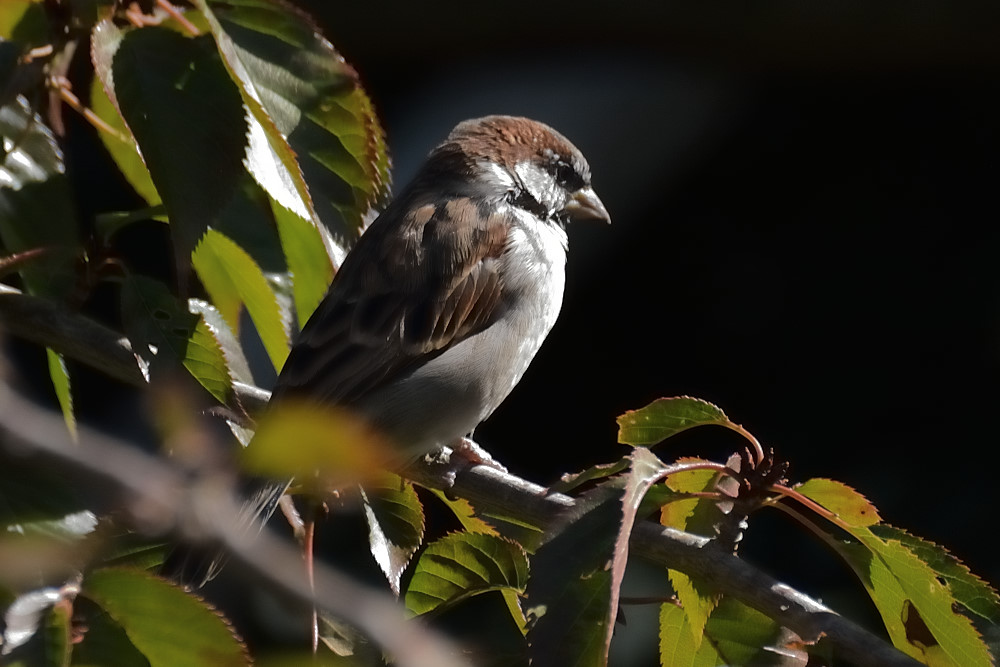
Male house sparrow
House Sparrow (male)

The house sparrow must be one of the most recogniseable birds on the planet. It is resident on every continent, other than Antarctica. The male has a chestnut brown head, with a grey crown and a black bib.

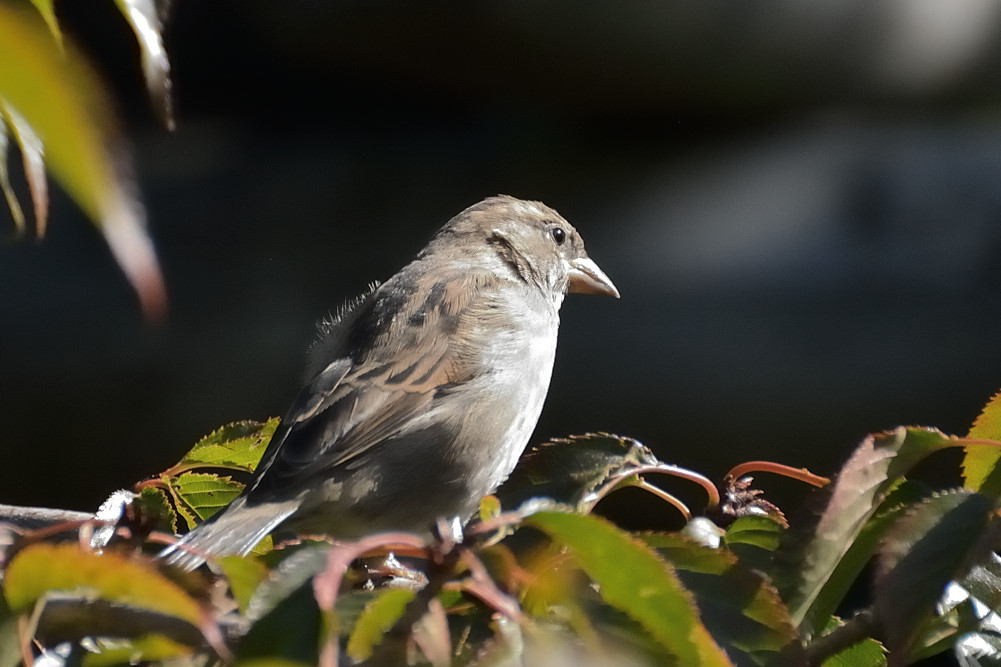
Female house sparrow

The female has pale brown crown with a straw colour line above and behind the eye.

Male House Sparrow with black bill

When breeding the bill of the male sparrow becomes black.

The Canada Goose

Canada Goose in flight

The largest goose in Europe (90-100 cm), there are 62,000 pairs of the Canada Goose in the UK. Often seen in urban and city parks, as well as more rural lakes and reservoirs.

Family groups are a familiar sight during the summer months. Young birds stay with parents until the following breeding season.

The Chaffinch

Male chaffinch
Chaffinch (male)

The chaffinch rivals the robin as one of the UK’s most common birds with a population of 6.2 million. It will be seen widely feeding in open areas such as parks, large gardens and farmland.

Female chaffinch
Chaffinch (female)

The female is a pale yellowish-brown, but the same pattern in the wing as the more colourful male.